Sophia Al-Maria & Lydia Ourahmane
if we could just talk in person
October 6 — November 27, 2026
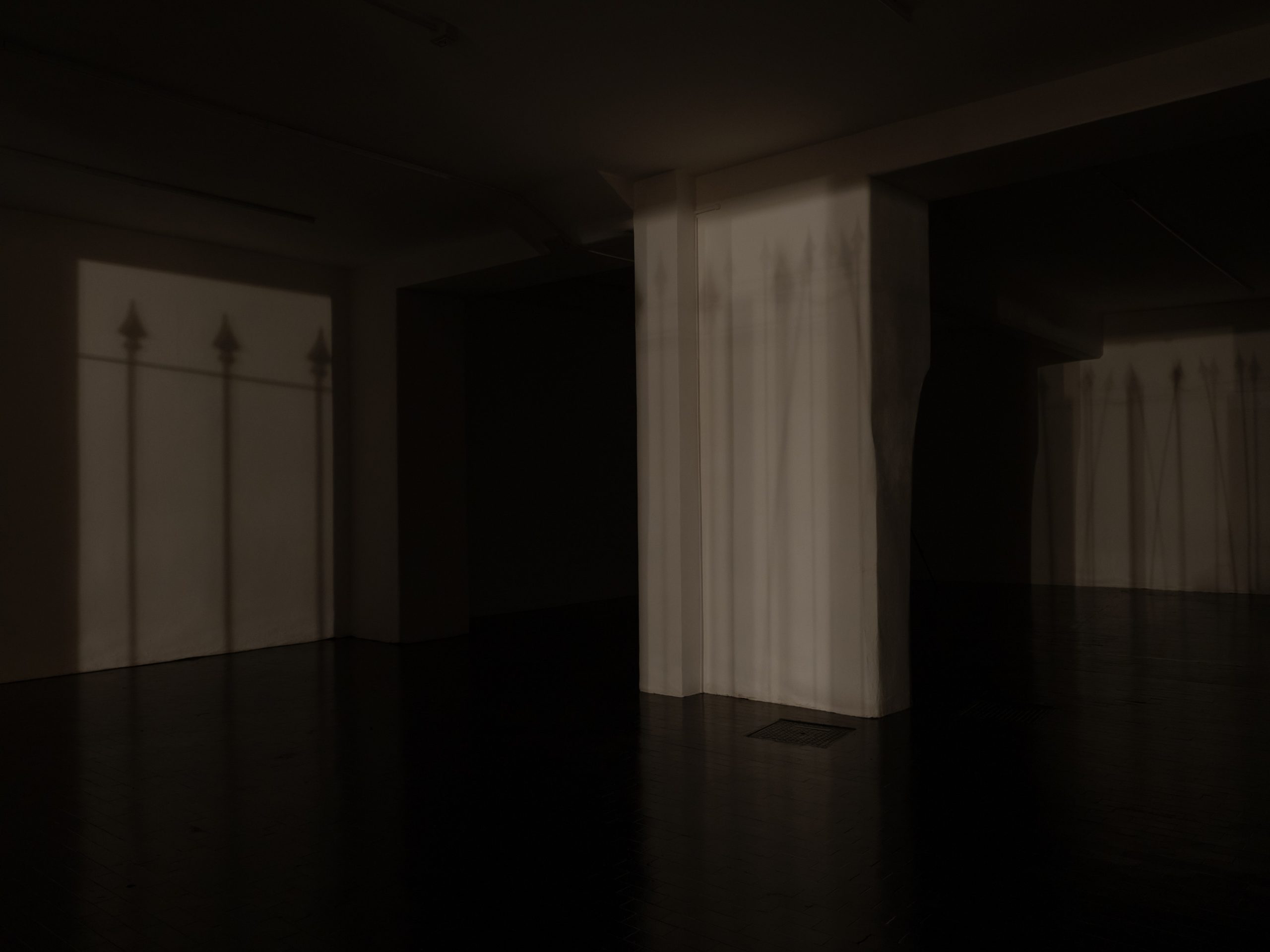
If this show is about long-distance lovers,
let’s start with ourselves.
We met in Delphi in 2019.
I fell in love with you—not romantically, exactly—
but with the feeling that this would be forever.
It felt urgent
and not urgent.
Postcards.
Visitations.
Long nights in each other’s company or sometimes on the phone,
in between flings,
in between all the different kinds of love,
you were always there.
How do you sustain love?
How do you hold someone?
How do you make someone feel close?
Perhaps distance is a comfortable place to maintain love
because you never have to face yourself. But that distance is also a chasm in which we often lose ourselves.
We have spent years communicating through voice notes. We’ve sent them across continents, while overwhelmed by other relationships, through revelations and periods of confusion alike. A voice note enters your phone. You do not know what is inside it. It’s a black box until you listen. To a confession, or a seduction. It can be a warning or produce a wound.
So?
What does the voice carry
that the letter cannot?
What survives the failure of silence?
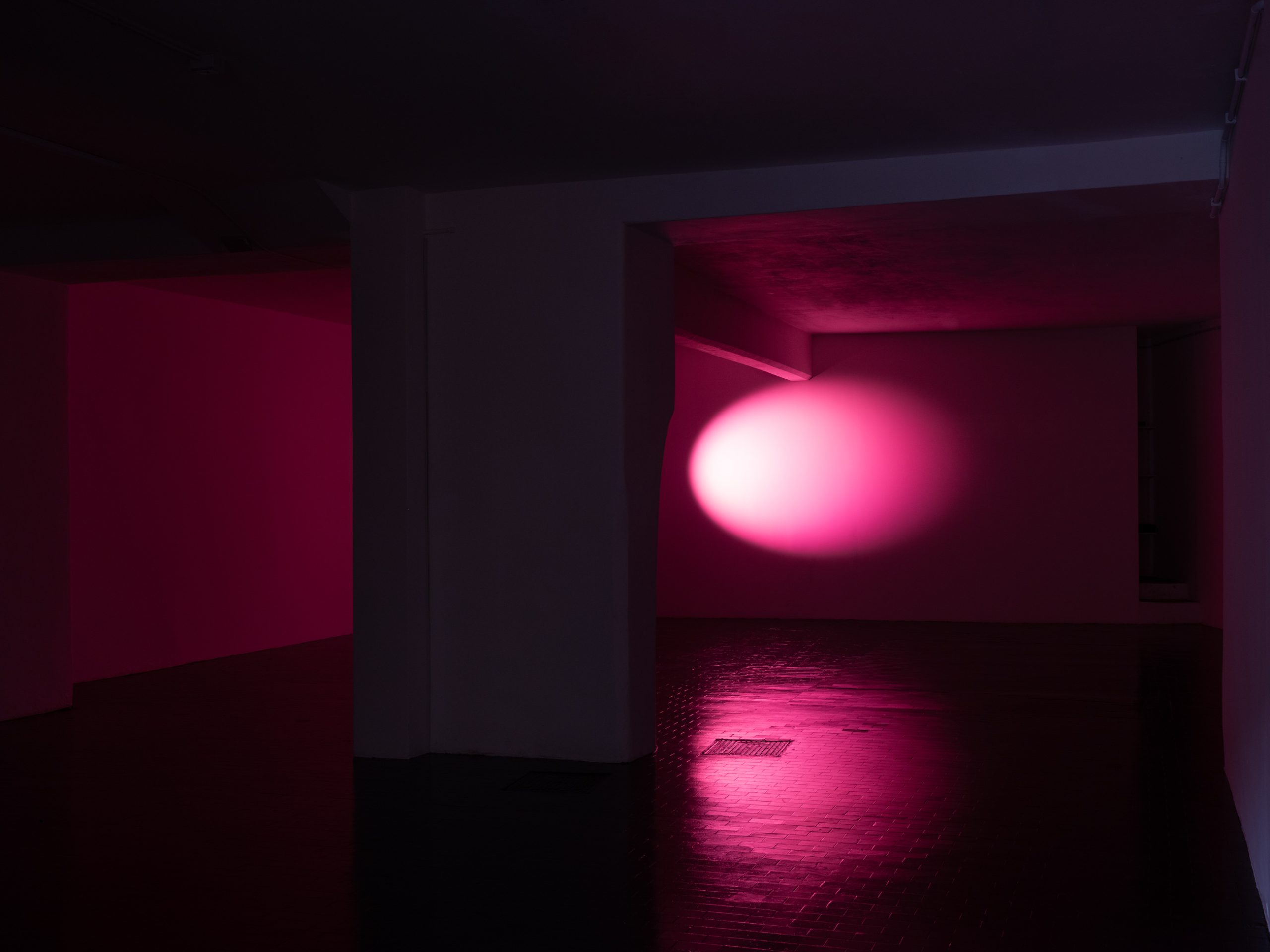
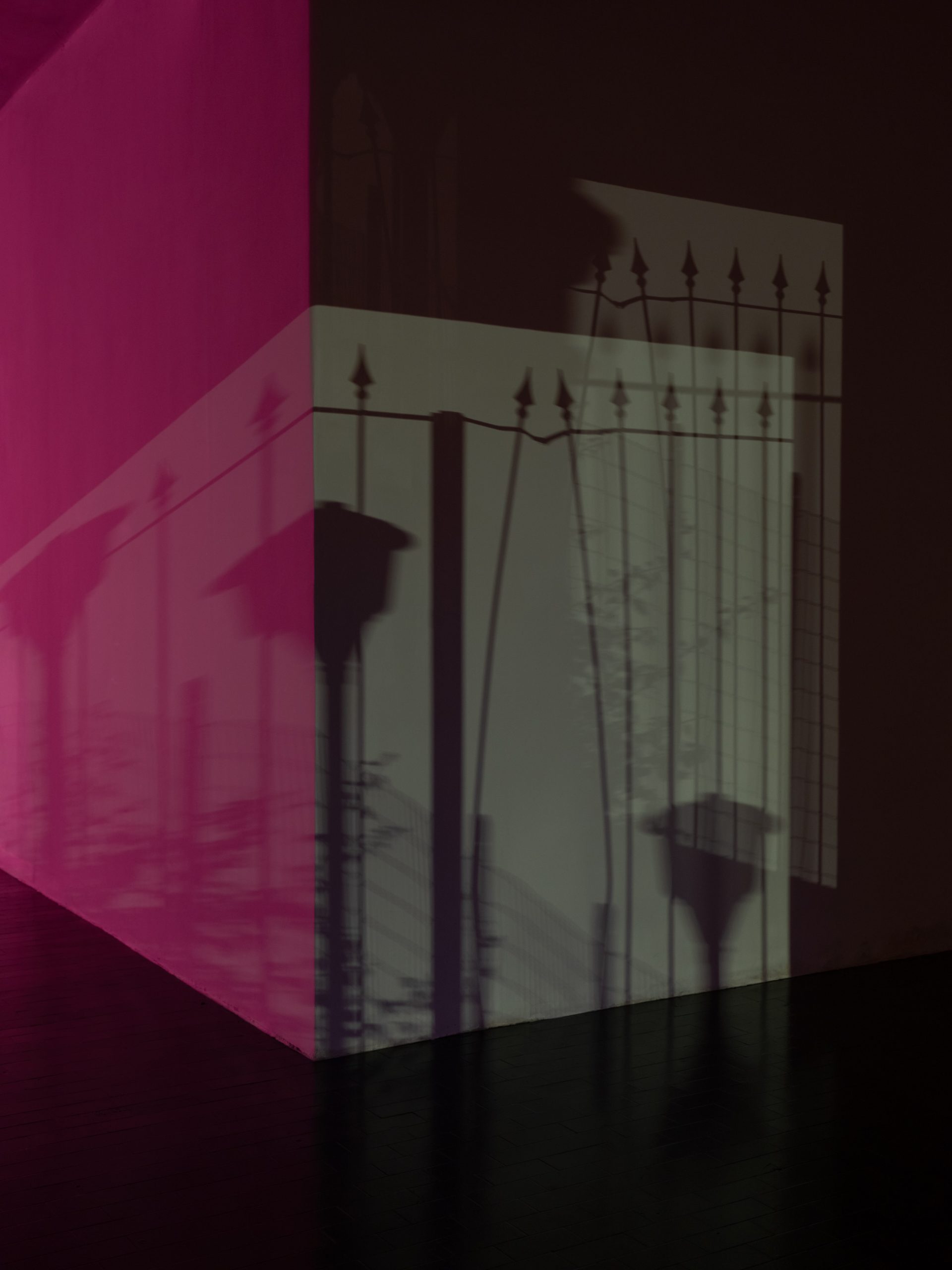
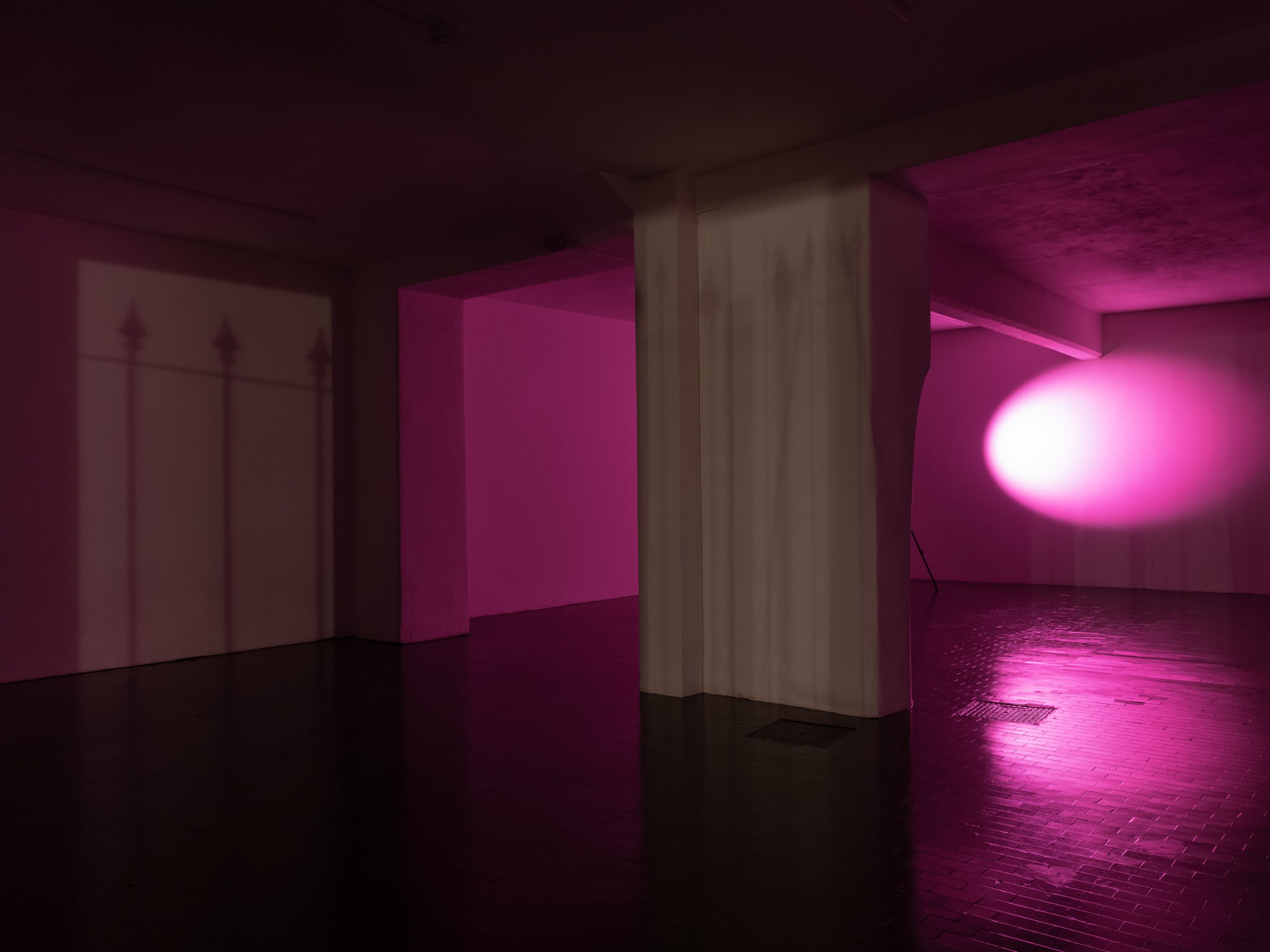
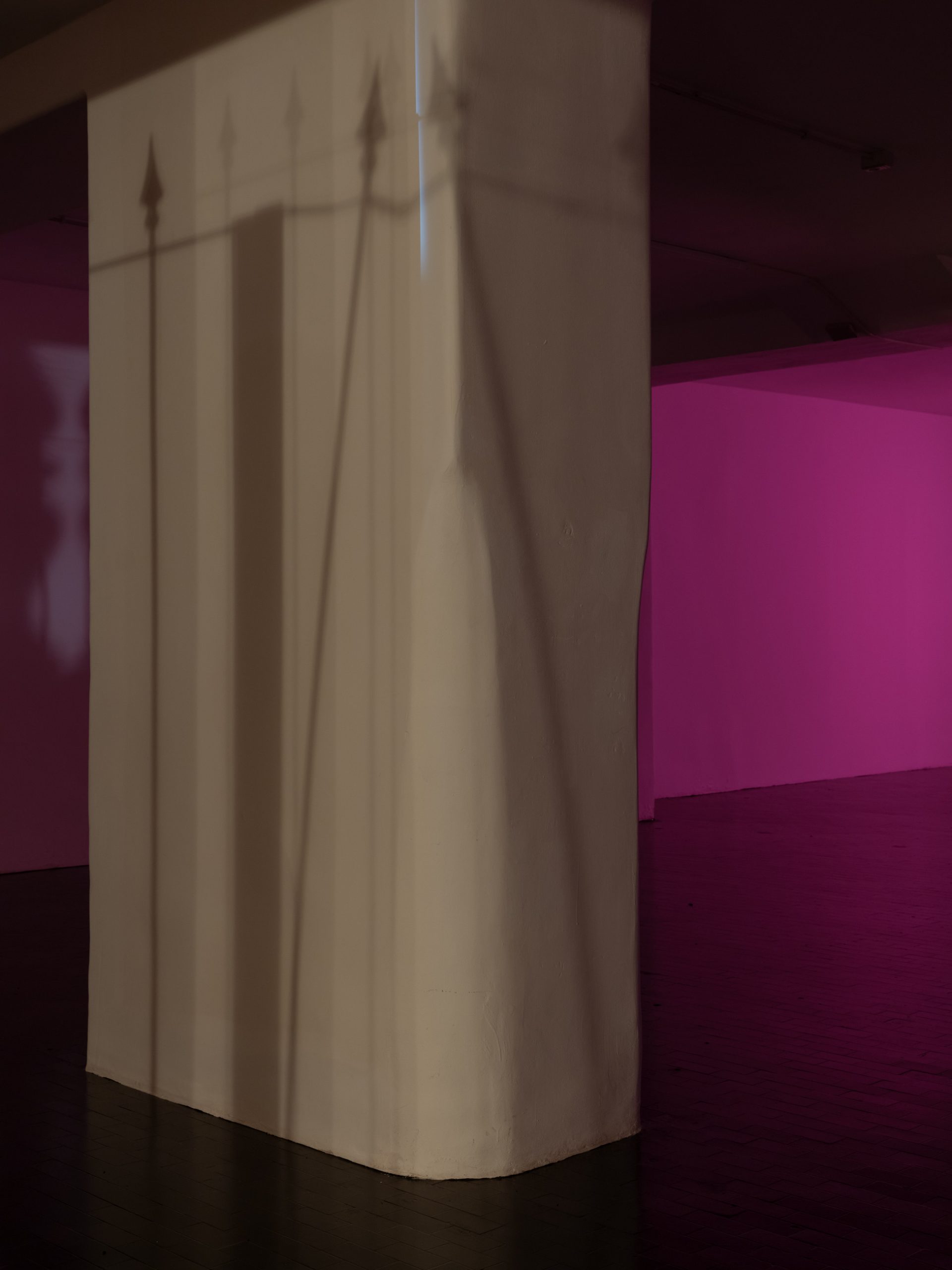
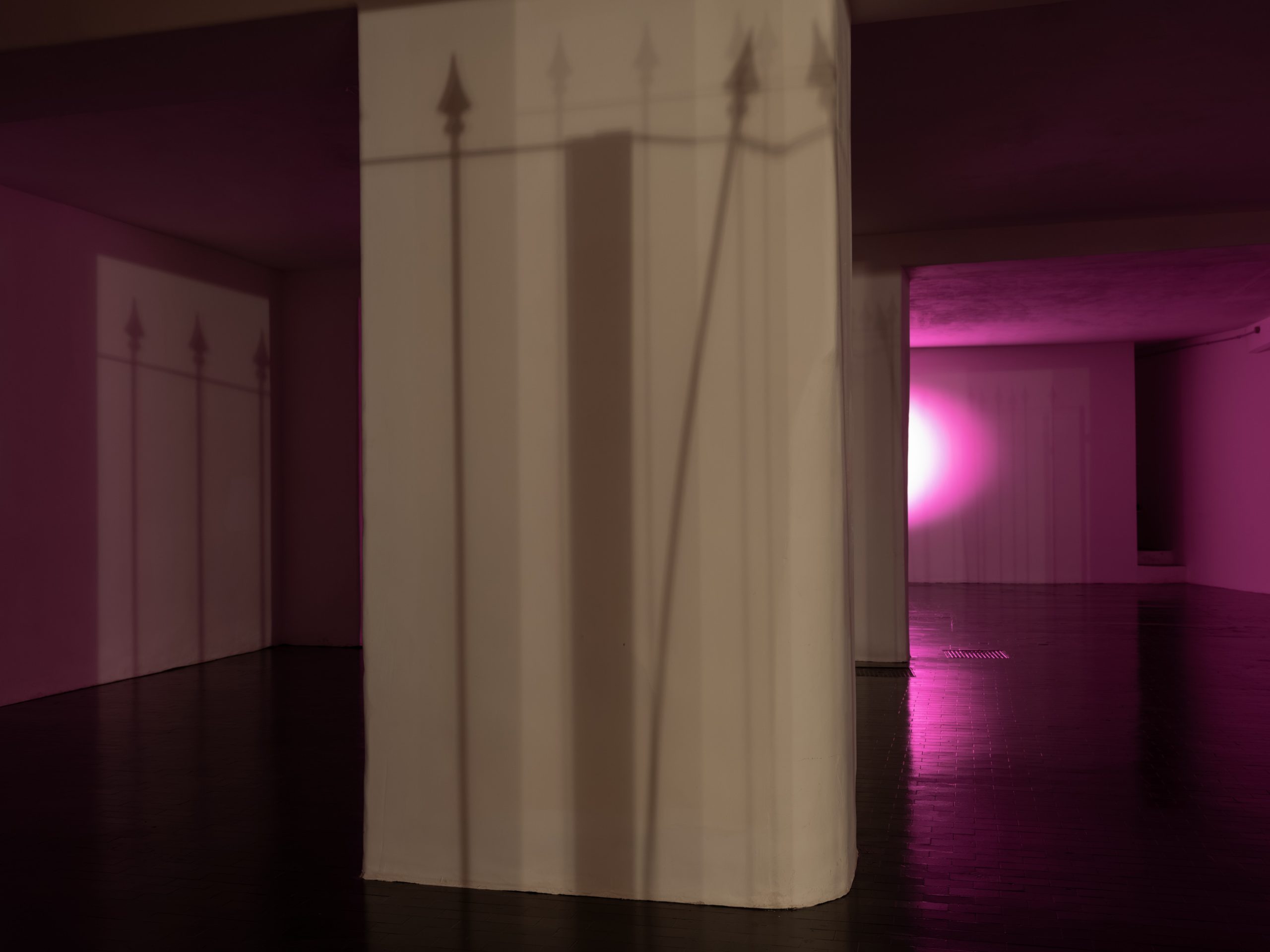
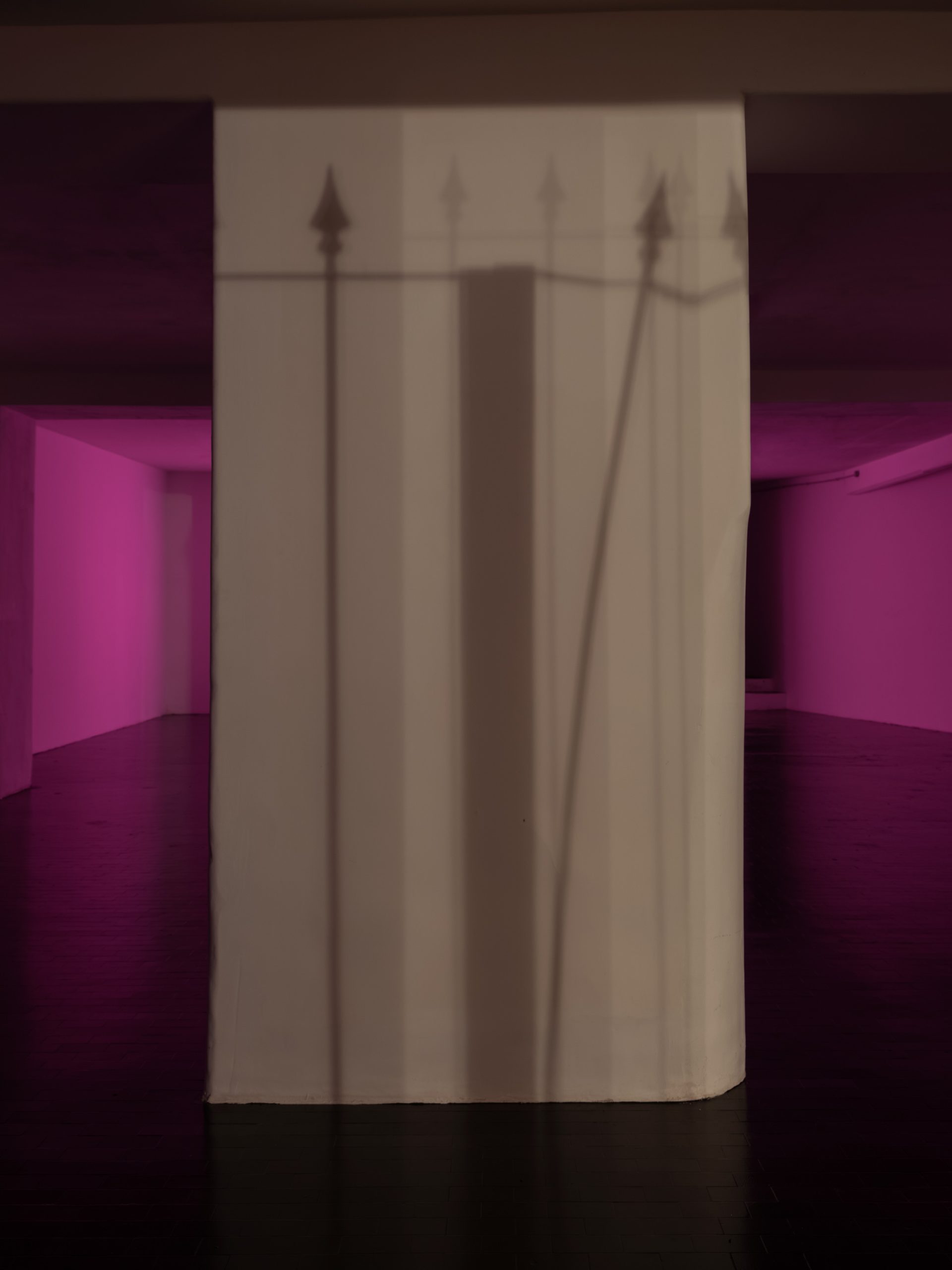
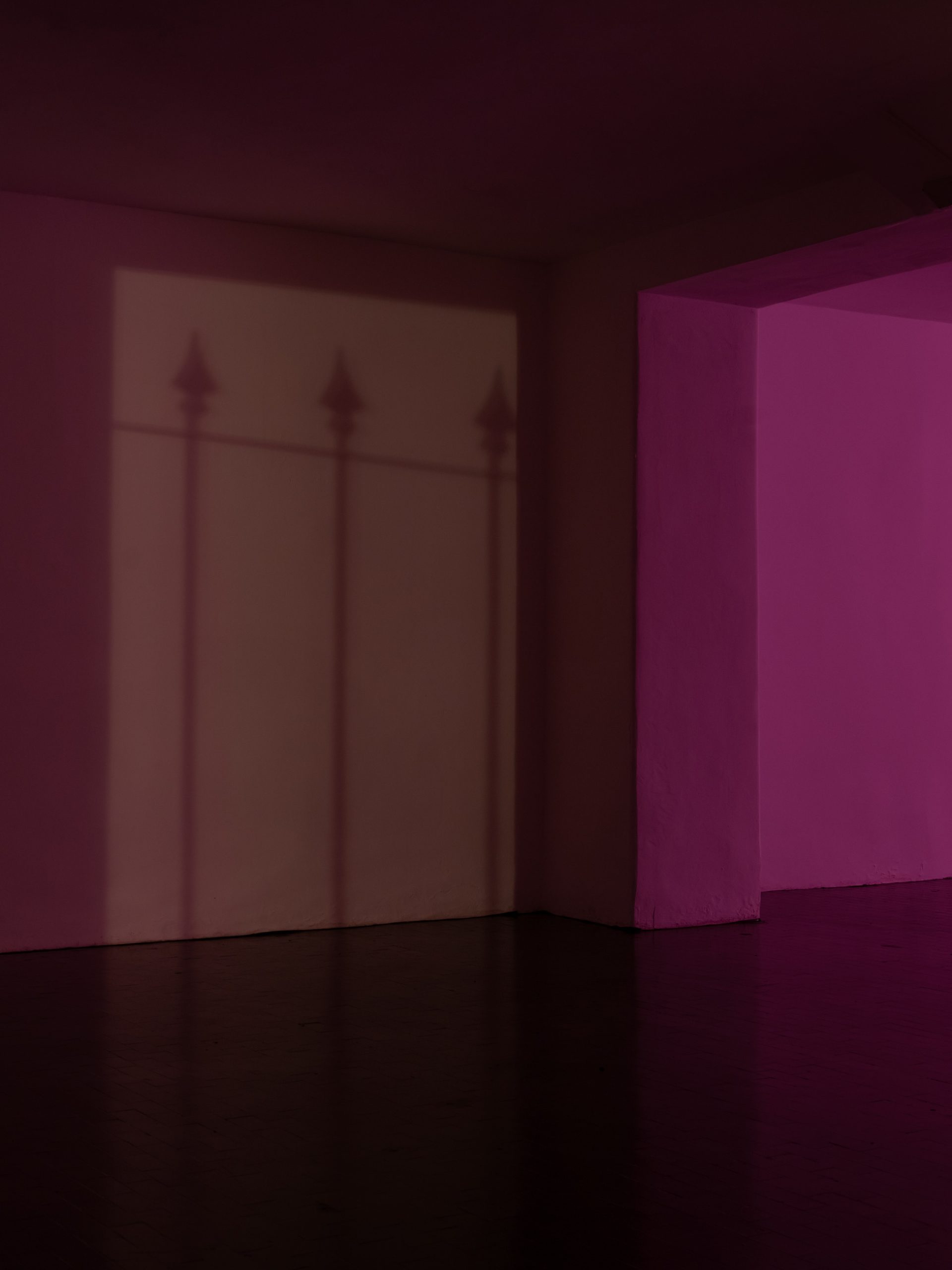
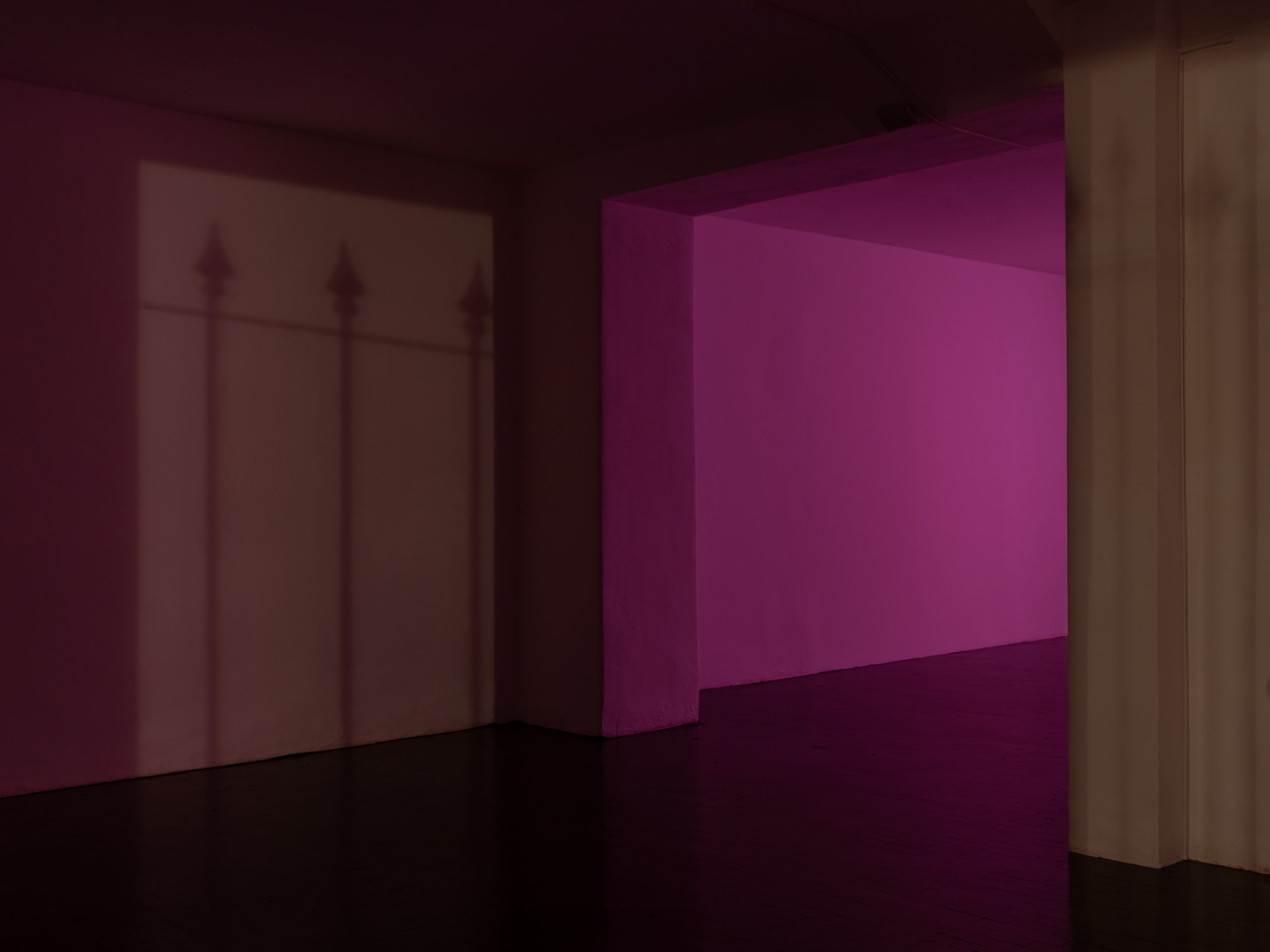
if we could just talk in person is the third collaborative exhibition by Sophia Al-Maria and Lydia Ourahmane: an on-again, off-again correspondence conducted against the accumulating ruins.
You’re so vain.
You probably think this show is about you.
Don’t you?
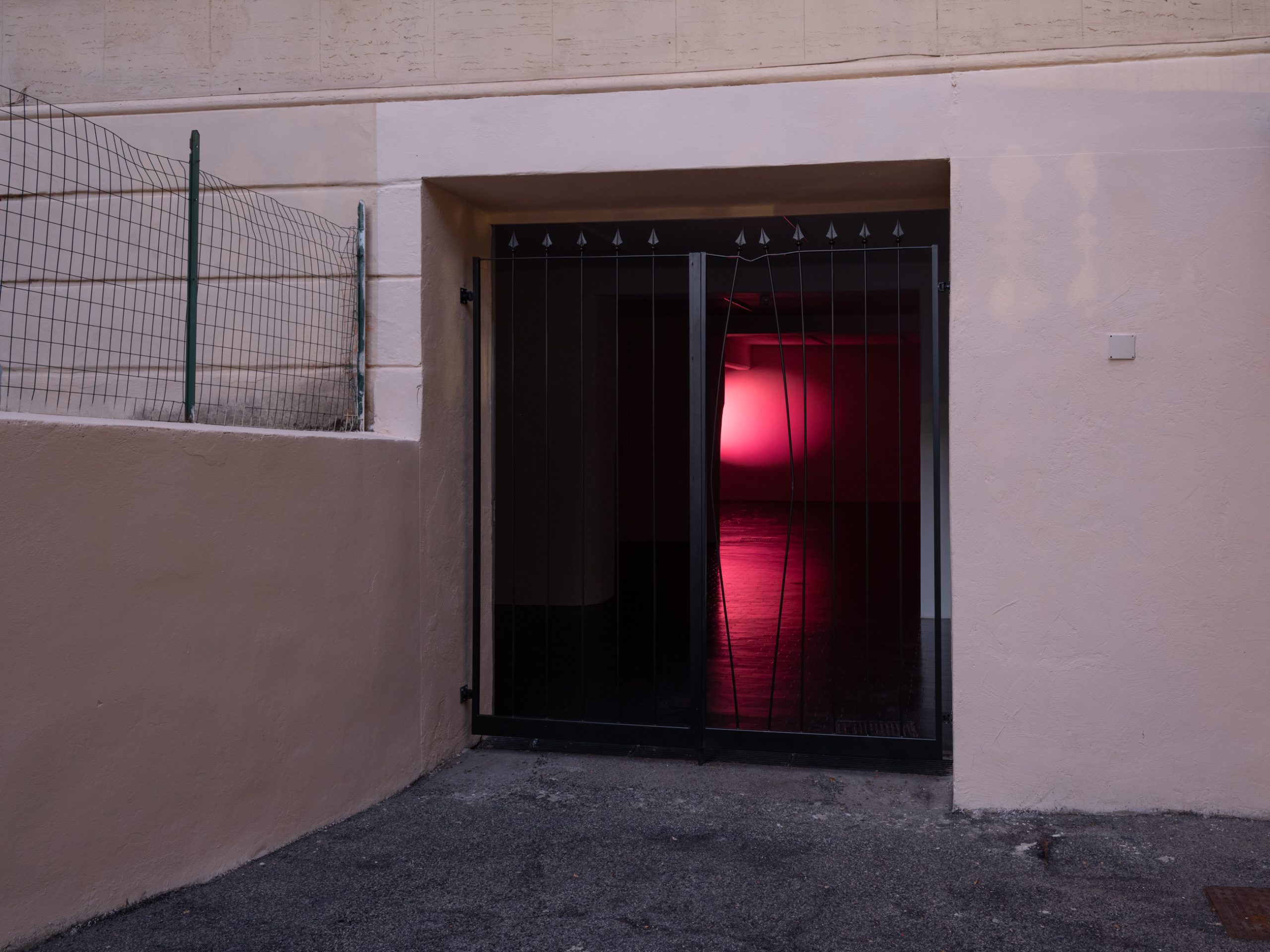
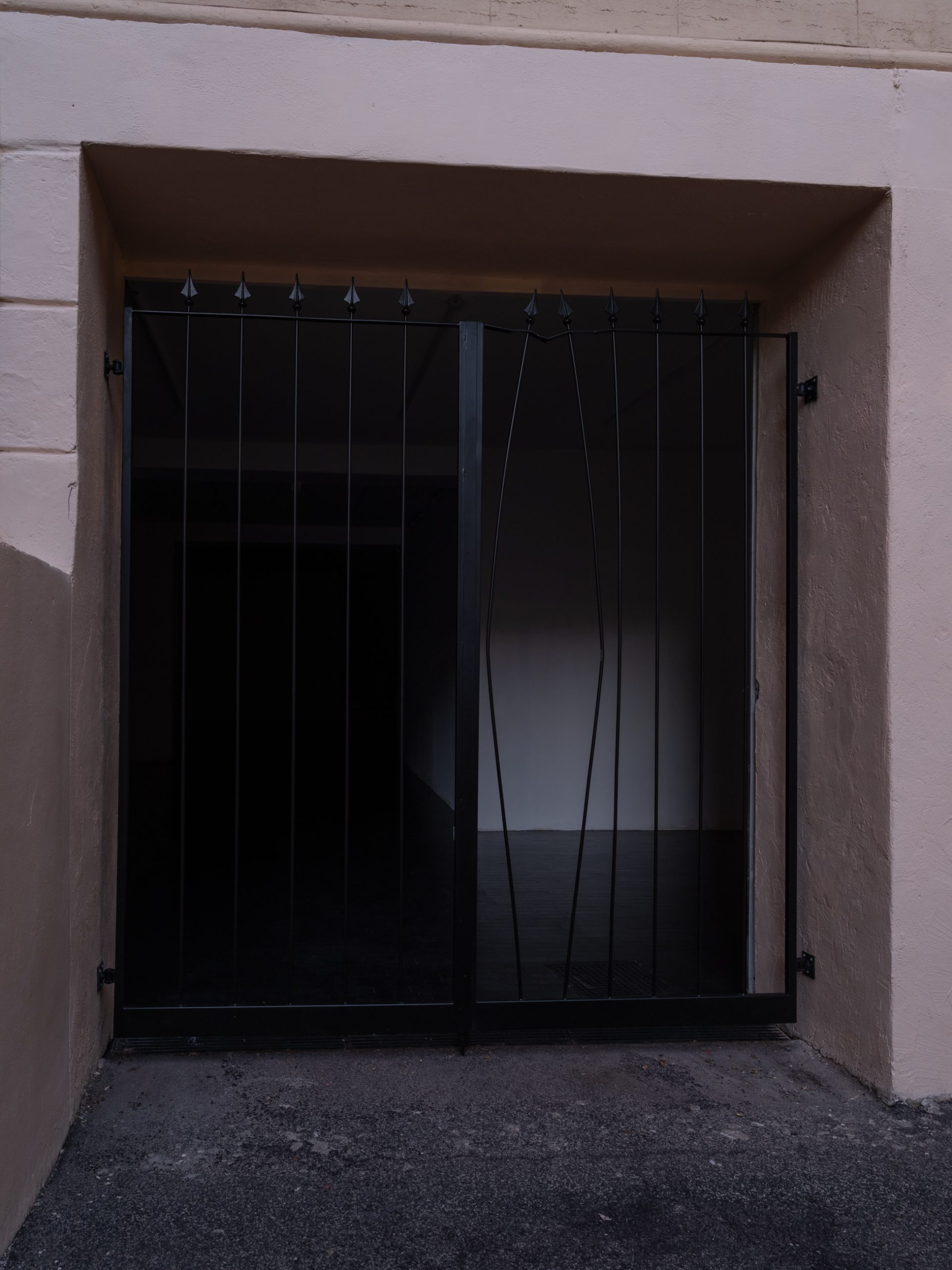
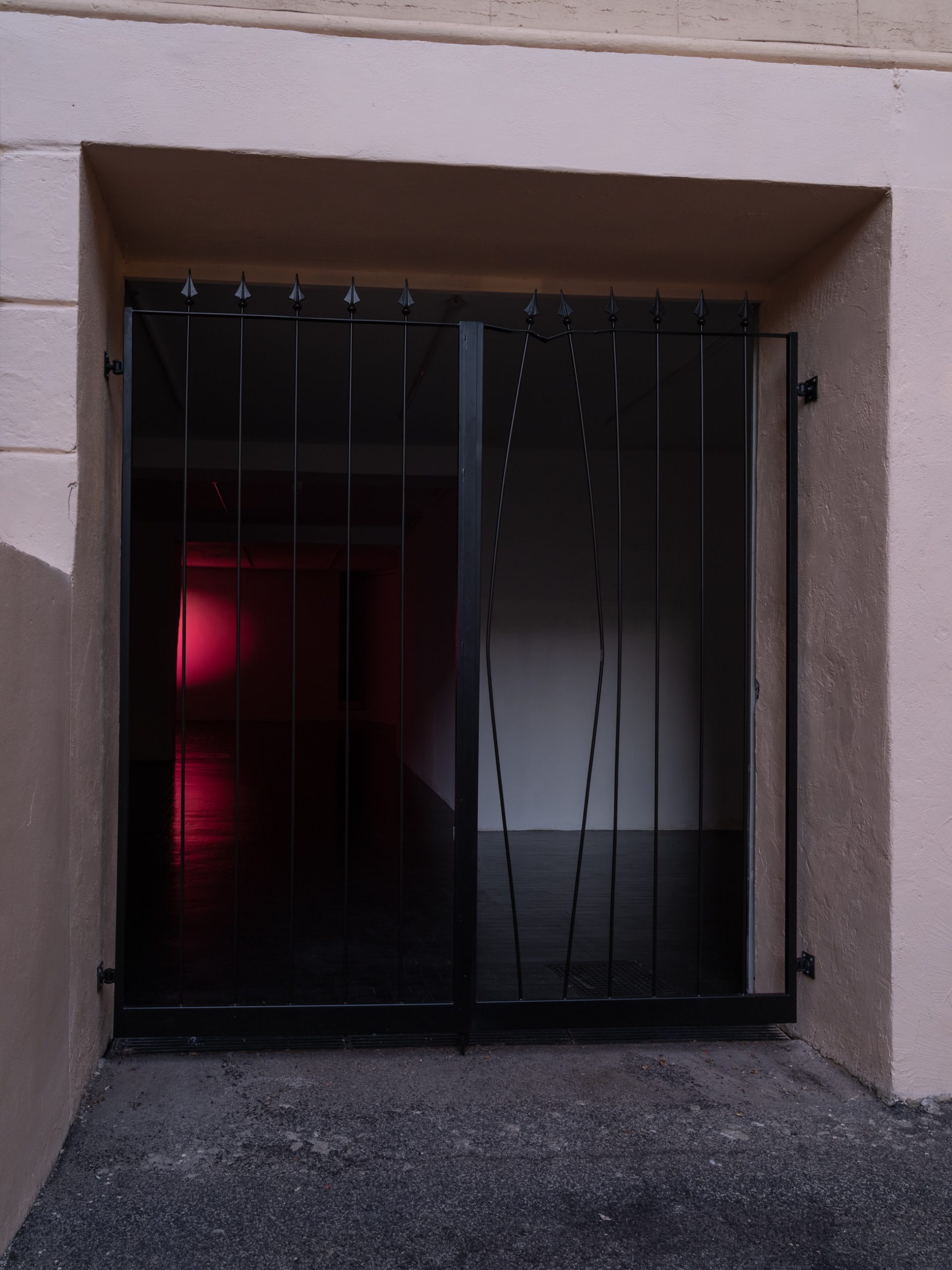
Sophia Al-Maria (Tacoma, Washington, United States, 1983) is a Qatari-American artist, writer and filmmaker whose work moves between moving image, fiction, performance, and installation. Drawing on popular culture, science fiction, folklore and the strange debris of contemporary life, her work examines the stories through which power, identity and the future are imagined. Her films and installations have been exhibited internationally, including at Tate Britain, the Venice Biennale, the New Museum, Gwangju Biennale, Serpentine Galleries, and Frieze London. Her recent work considers estrangement, collective memory, ecological collapse and the political possibilities of storytelling, often using humour, genre and speculative fiction to worry at the boundaries between the ancient and the hypermodern. Al-Maria is also a screenwriter and author. Her book Sad Sack is published by Book Works. Her most recent work is currently on view at the Qatar Pavilion at the Venice Biennale and at Tate Britain.
Lydia Ourahmane (Saïda, Algeria, 1992) graduated from Goldsmiths, University of London in 2014 and has exhibited internationally since. She currently lives and works in Barcelona. Her installations, videos, sculptures, and sound works create situations and structures that have consequences beyond the walls of the institution. Exploring landscapes of displacement and community, her work revises how the movement of objects and people embodies the economy of state restrictions and invisible barriers. Ourahmane has recently participated in the 10th Biennale Gherdëina (2026), the 60th International Art Exhibition of La Biennale di Venezia (2024), the 15th Gwangju Biennale (2024) and has previously exhibited at the 34th São Paulo Biennial (2021), Manifesta 12, Palermo (2018), and the 15th Istanbul Biennial (2017). Her recent solo exhibitions include: 5 Works at Nicoletta Fiorucci Foundation, Venice; 1752 Photos at Chantal Crousel, Paris (2026); 108 Days at MACBA, Barcelona (2024); Tassili at Sculpture Centre, New York; rhizome, Algiers; FLV, Paris (2022); sync, KW Institute of Contemporary Art, Berlin (2022); Survival in the Afterlife, Portikus, Frankfurt (2021-2022); Barzakh, Kunsthalle Basel; S.M.A.K, Gent and Triangle – Astérides, Marseille (2021-2022); The you in us, Chisenhale Gallery, London (2018) and others.
Sophia Al-Maria & Lydia Ourahmane
if we could just talk in person
October 07–November 27, 2026
Curated by CURA.
Produced by Basement Roma
Credits:
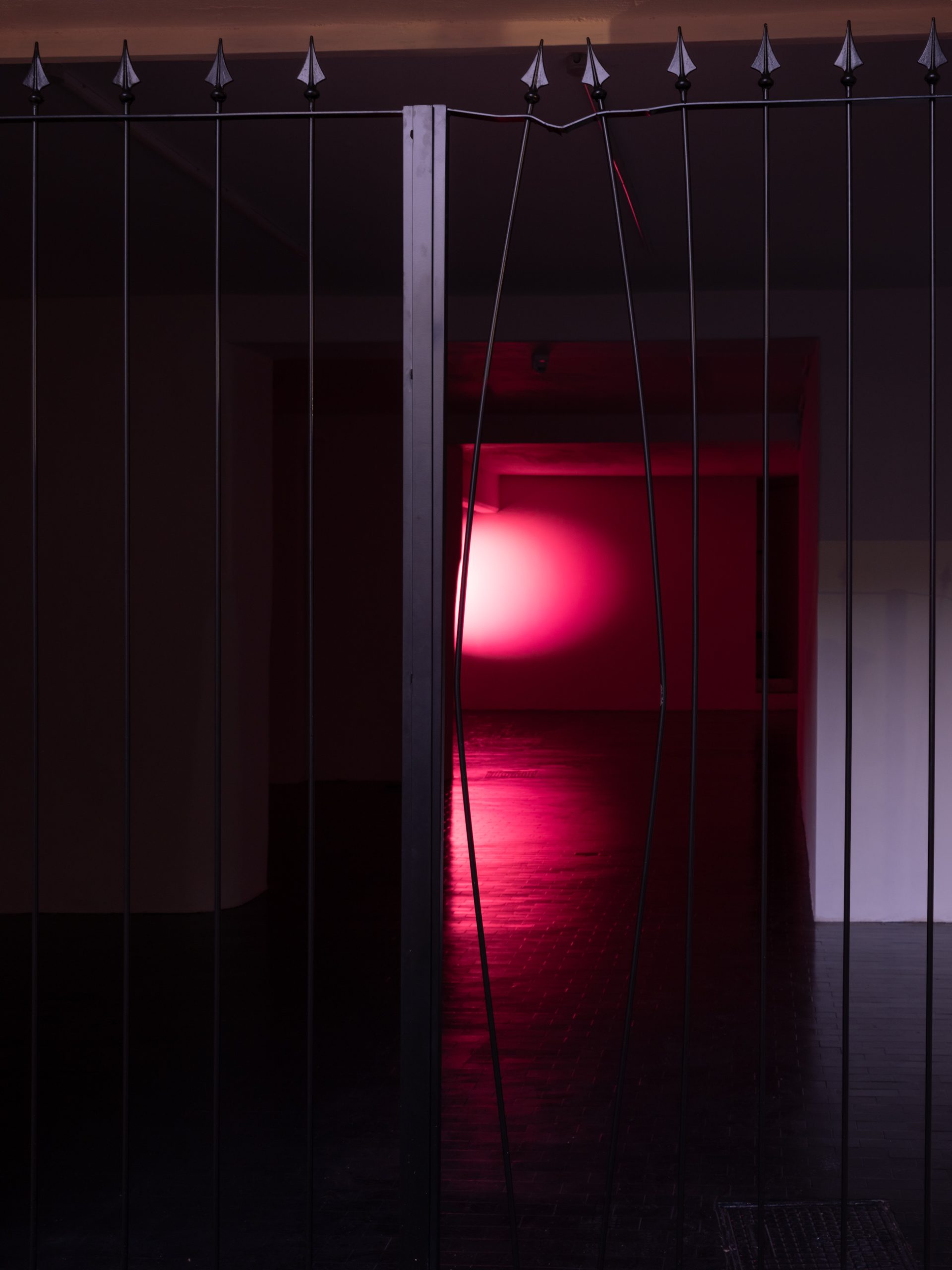
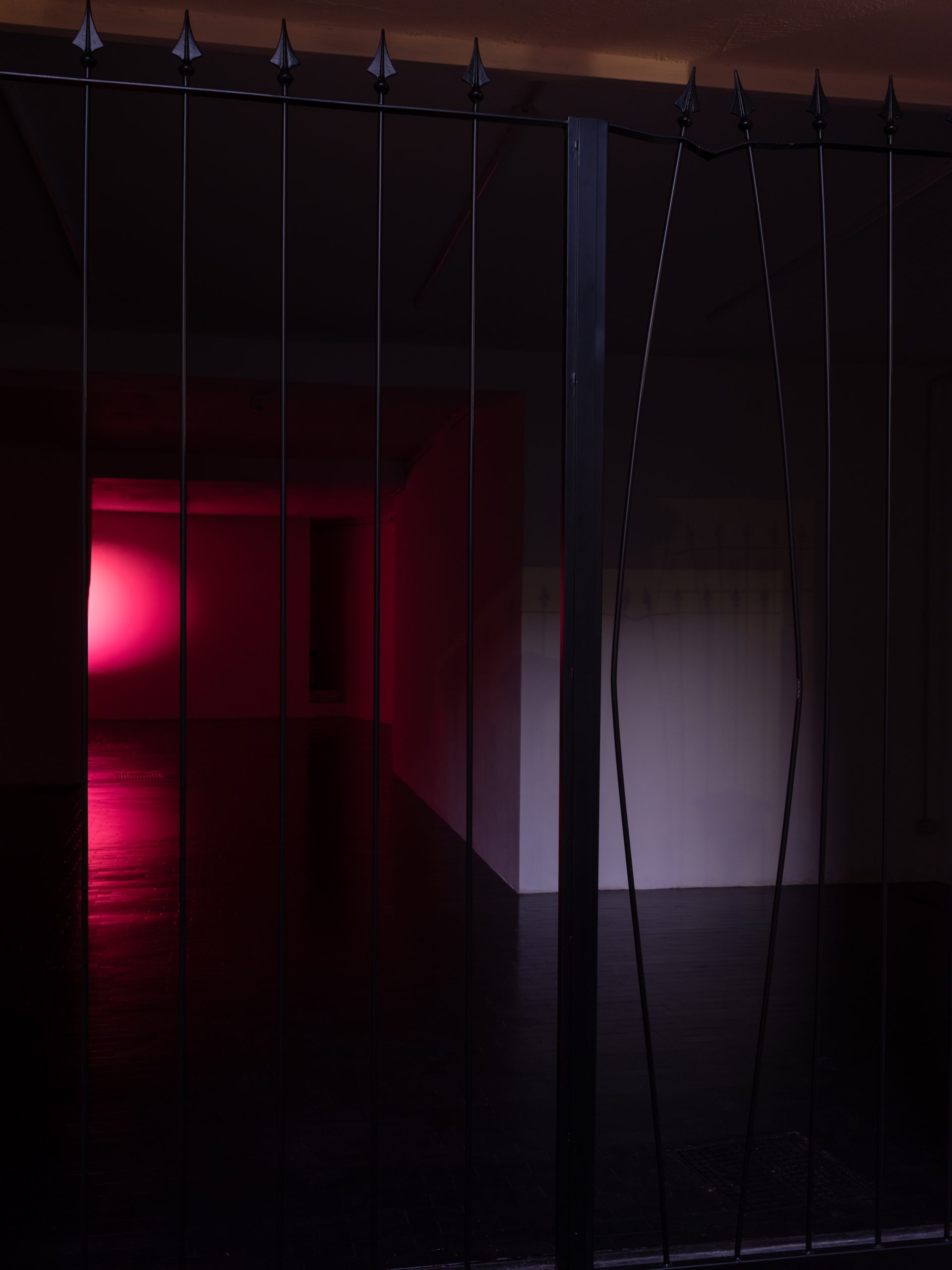
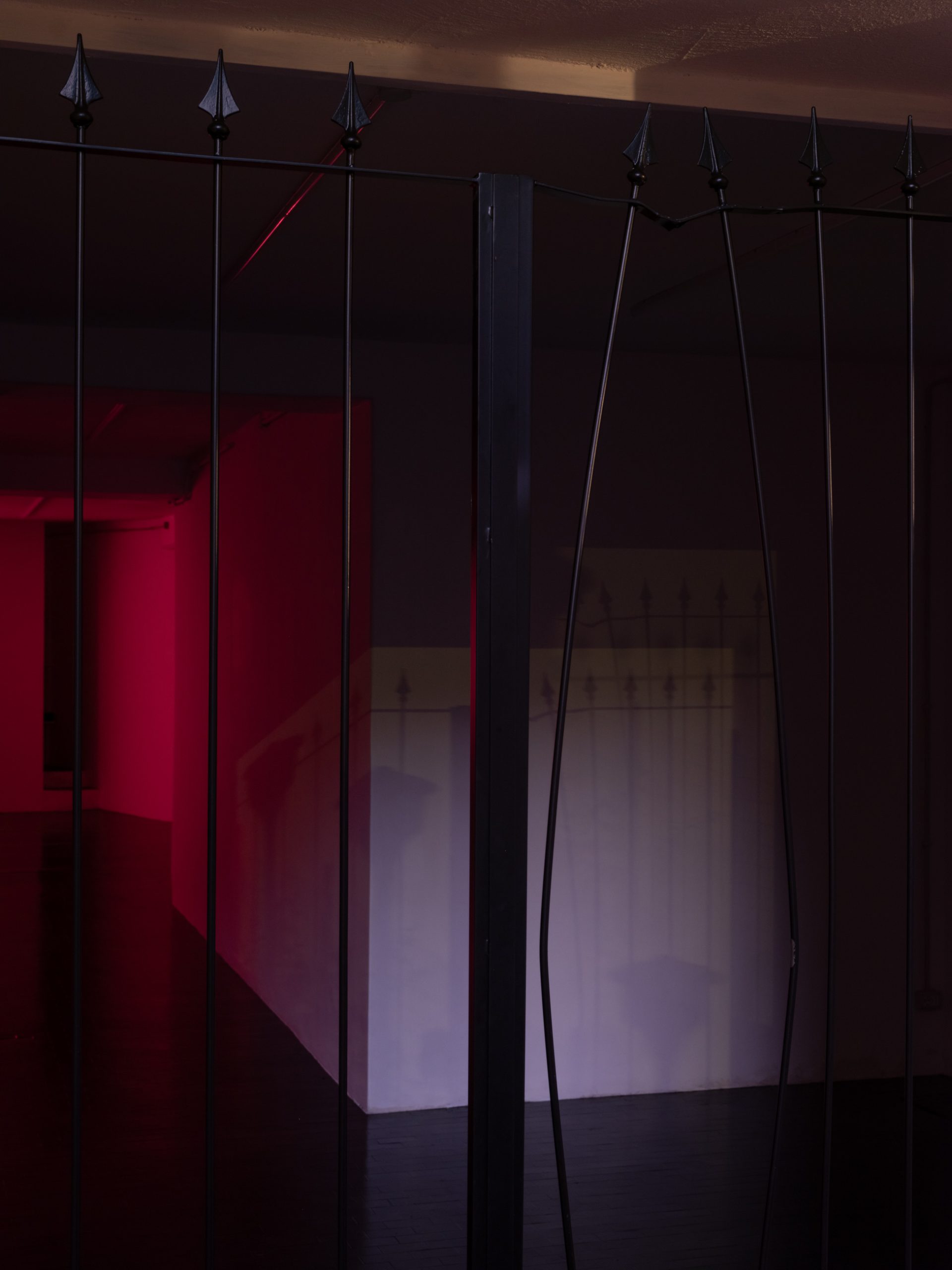
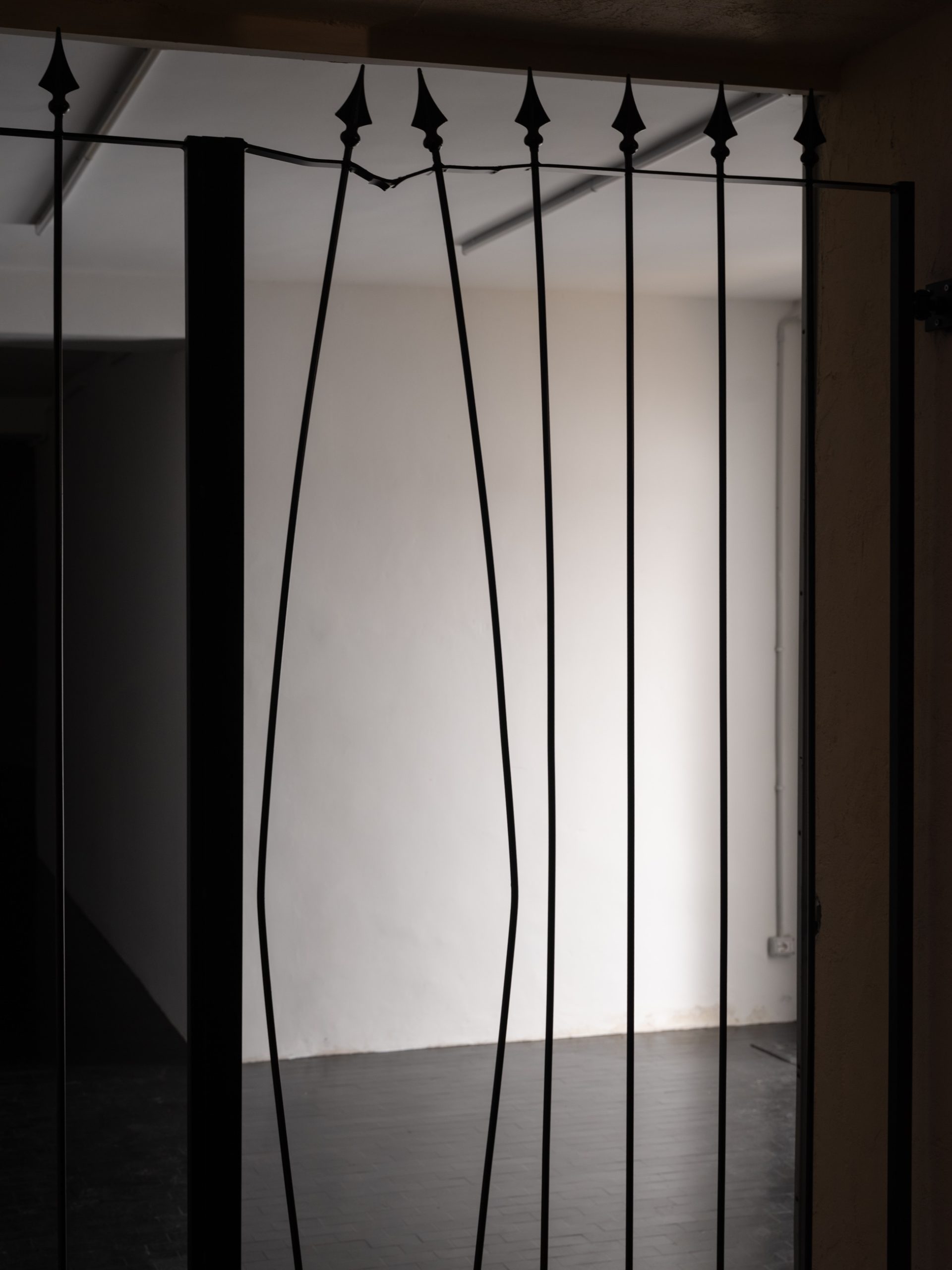
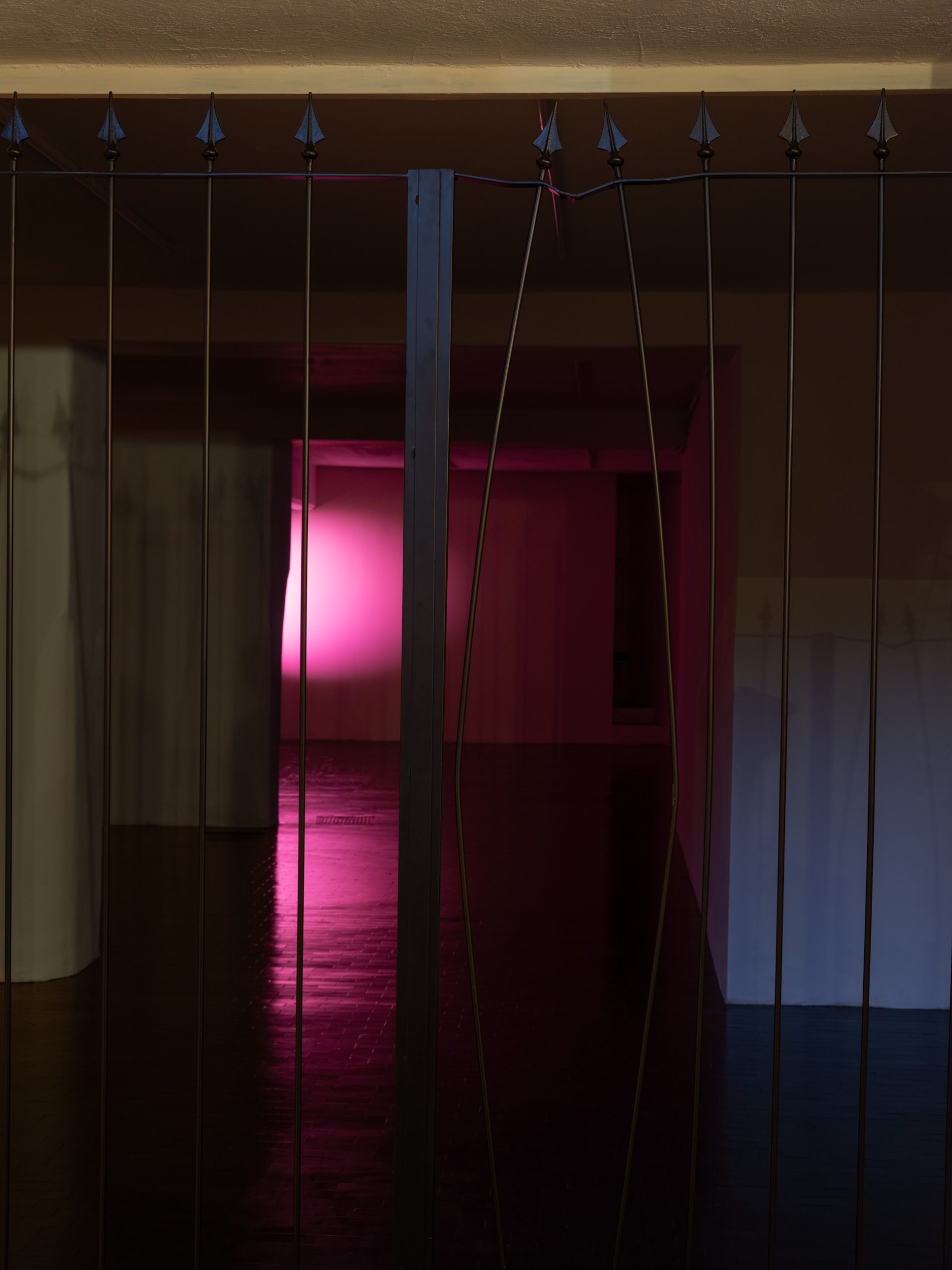
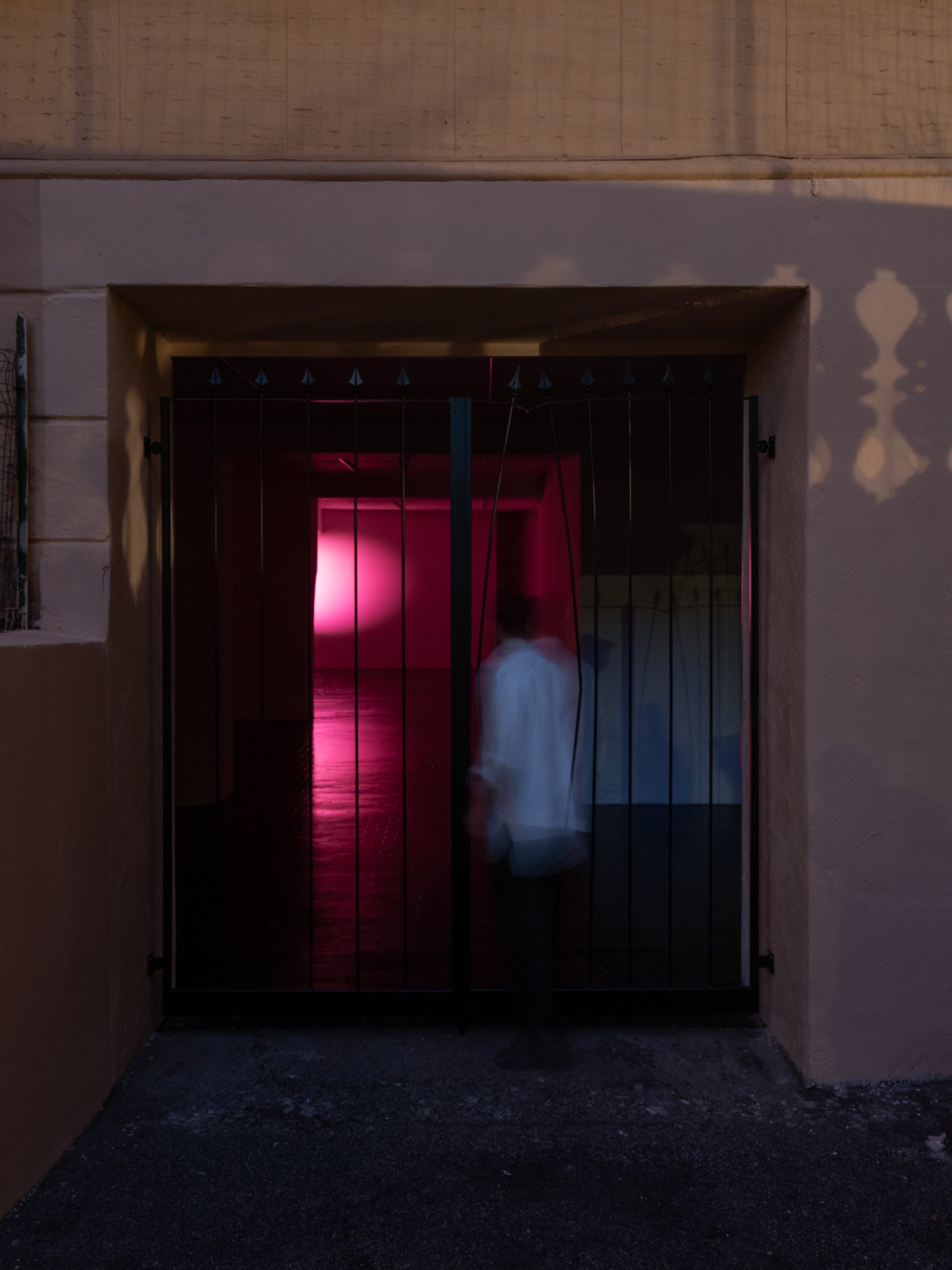
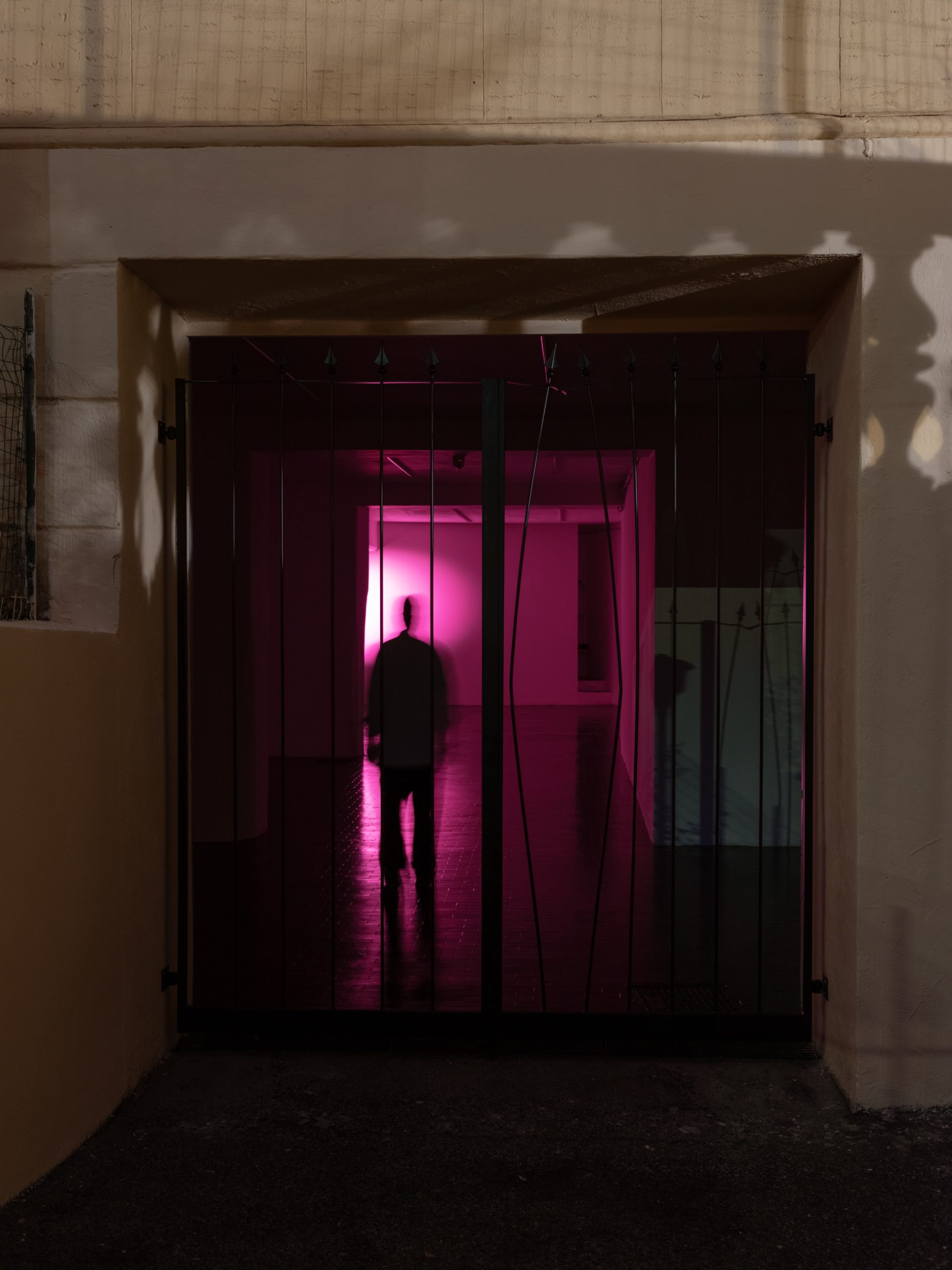
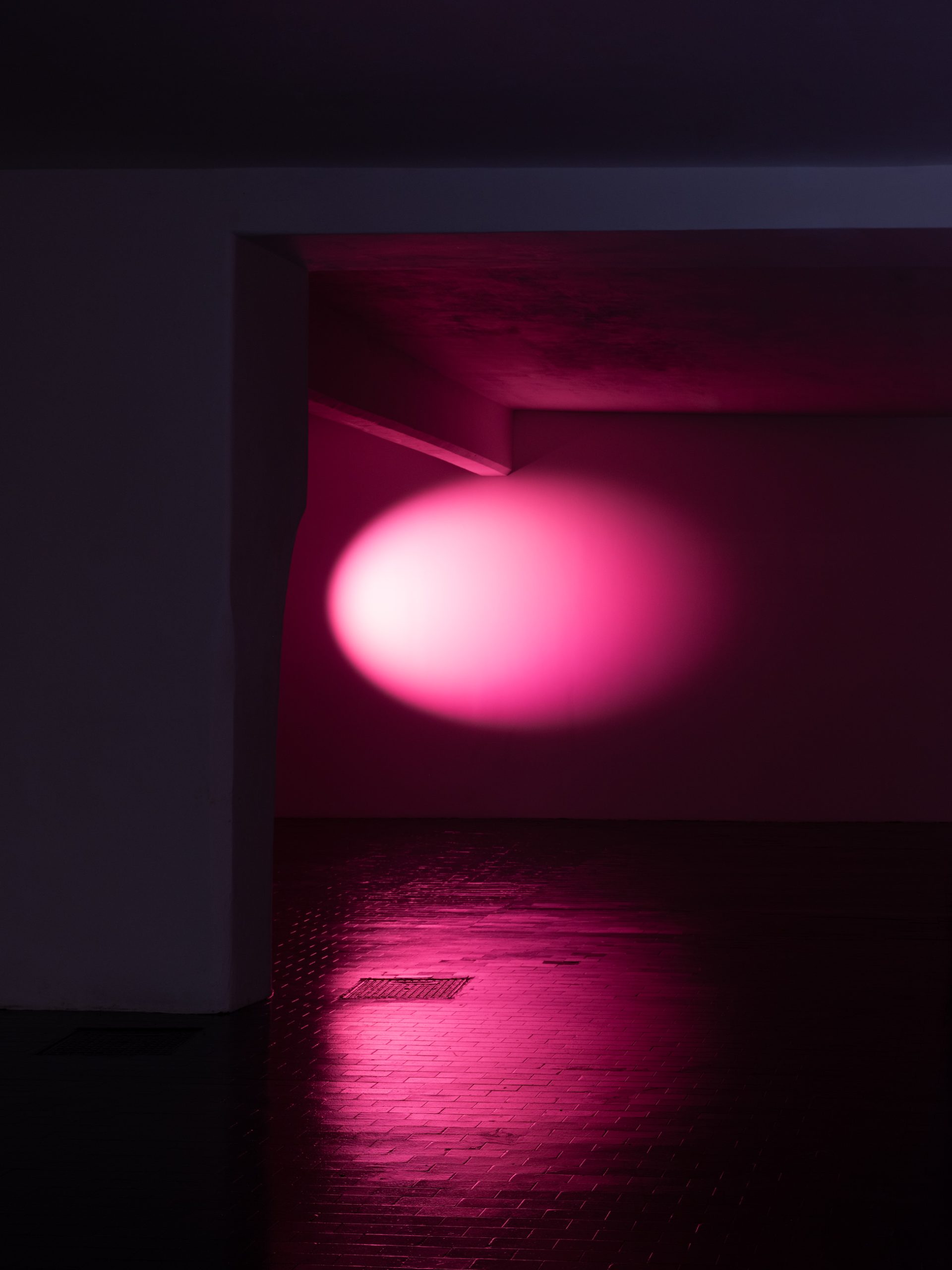
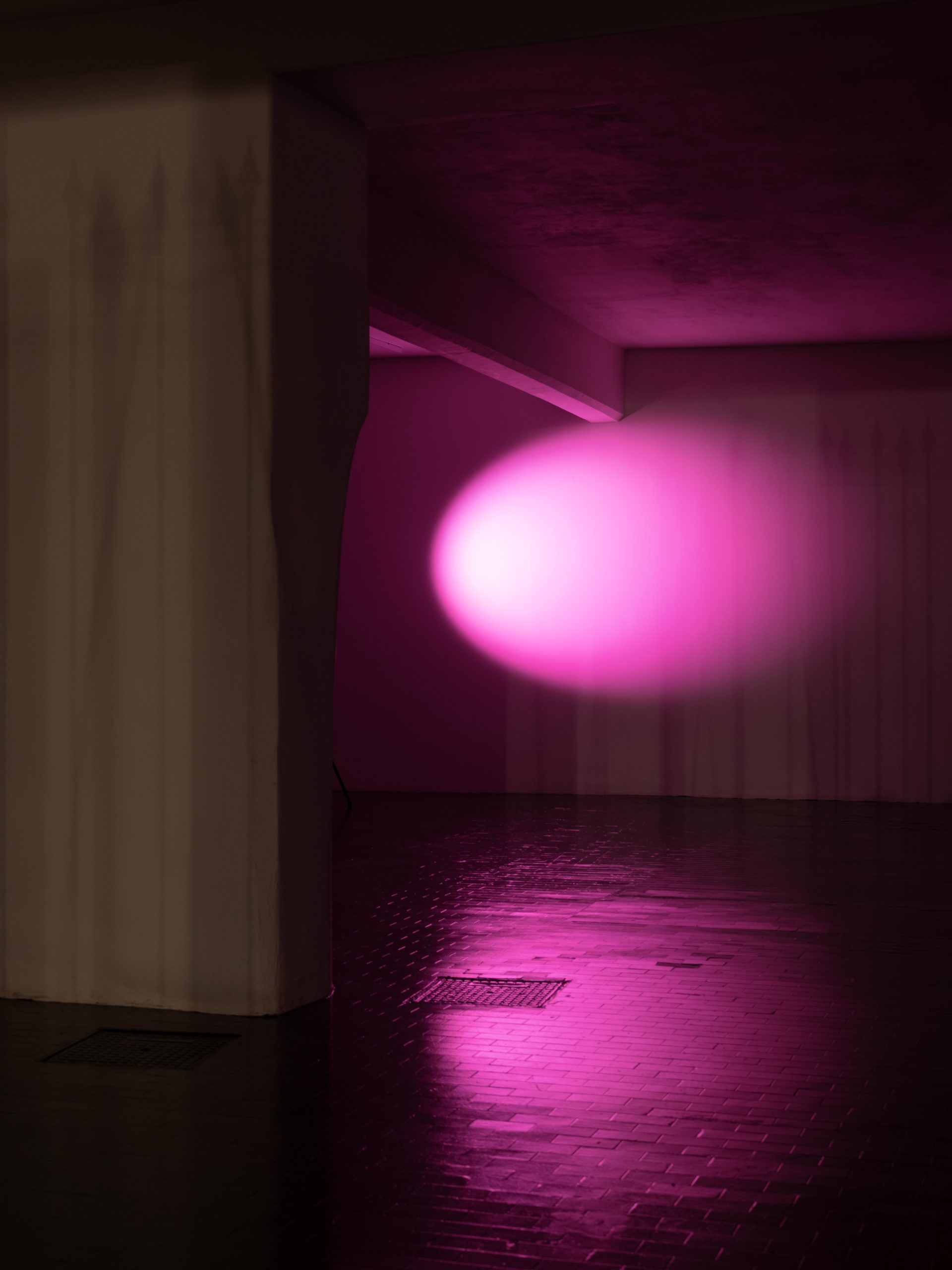
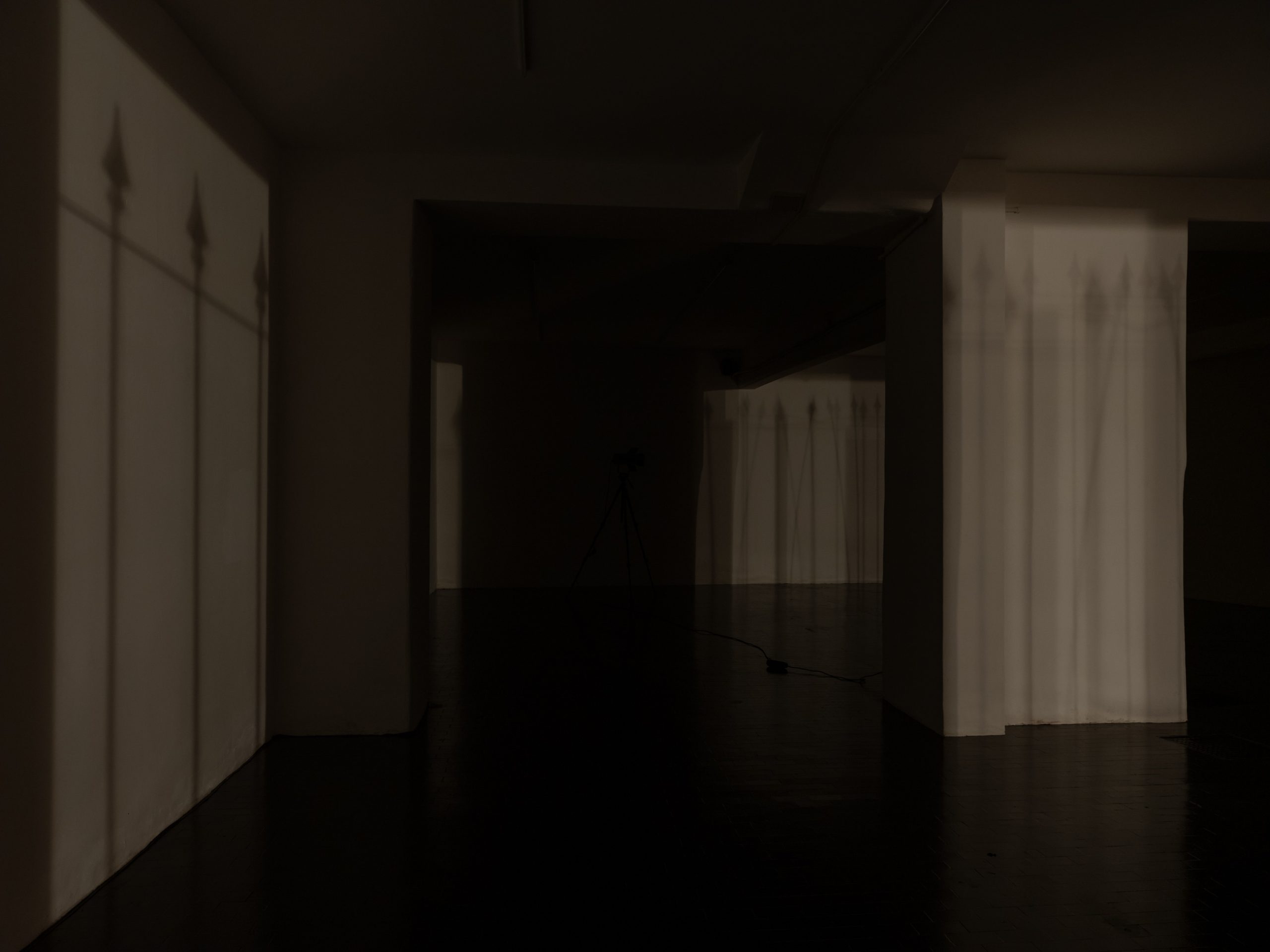
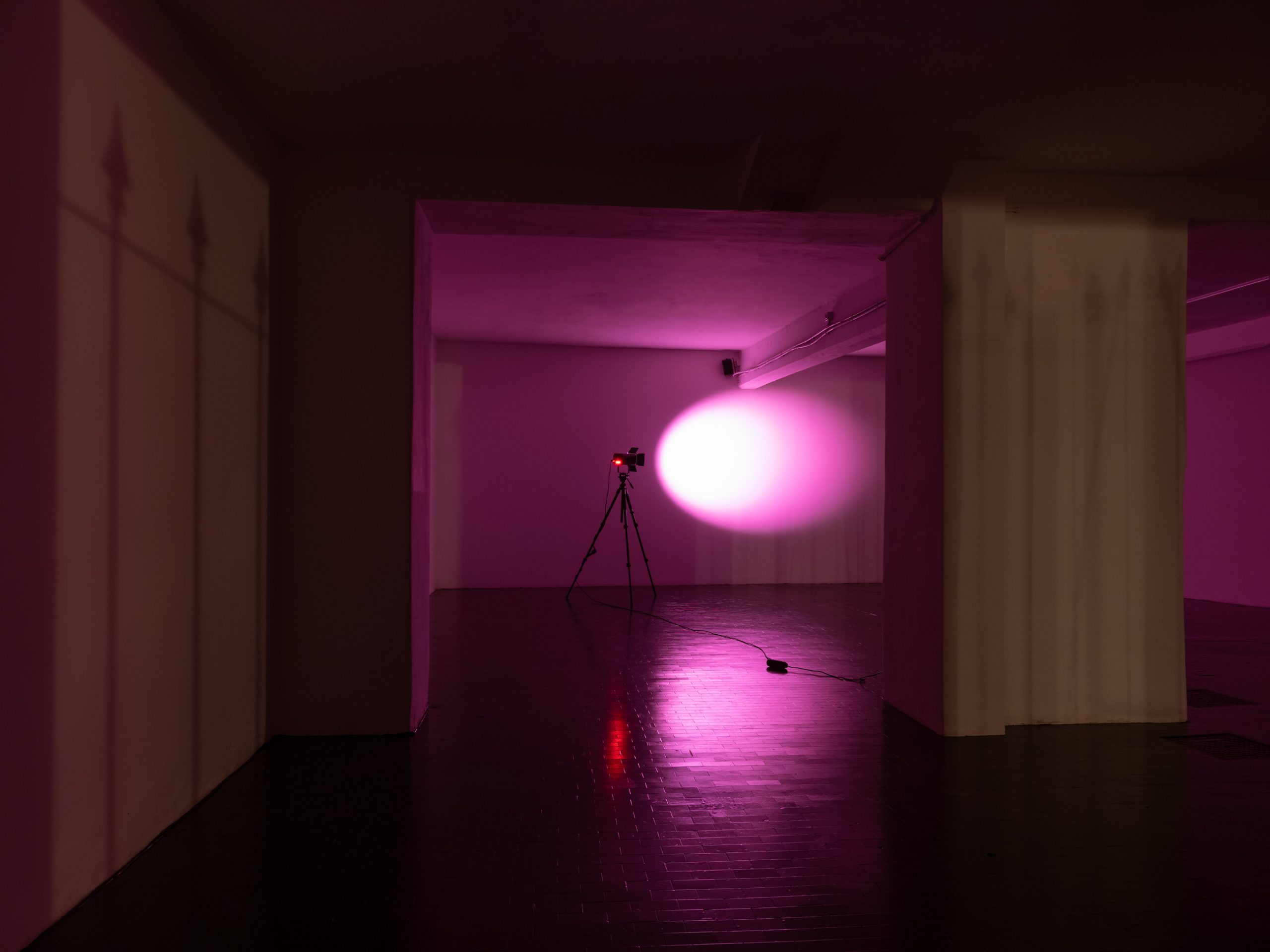
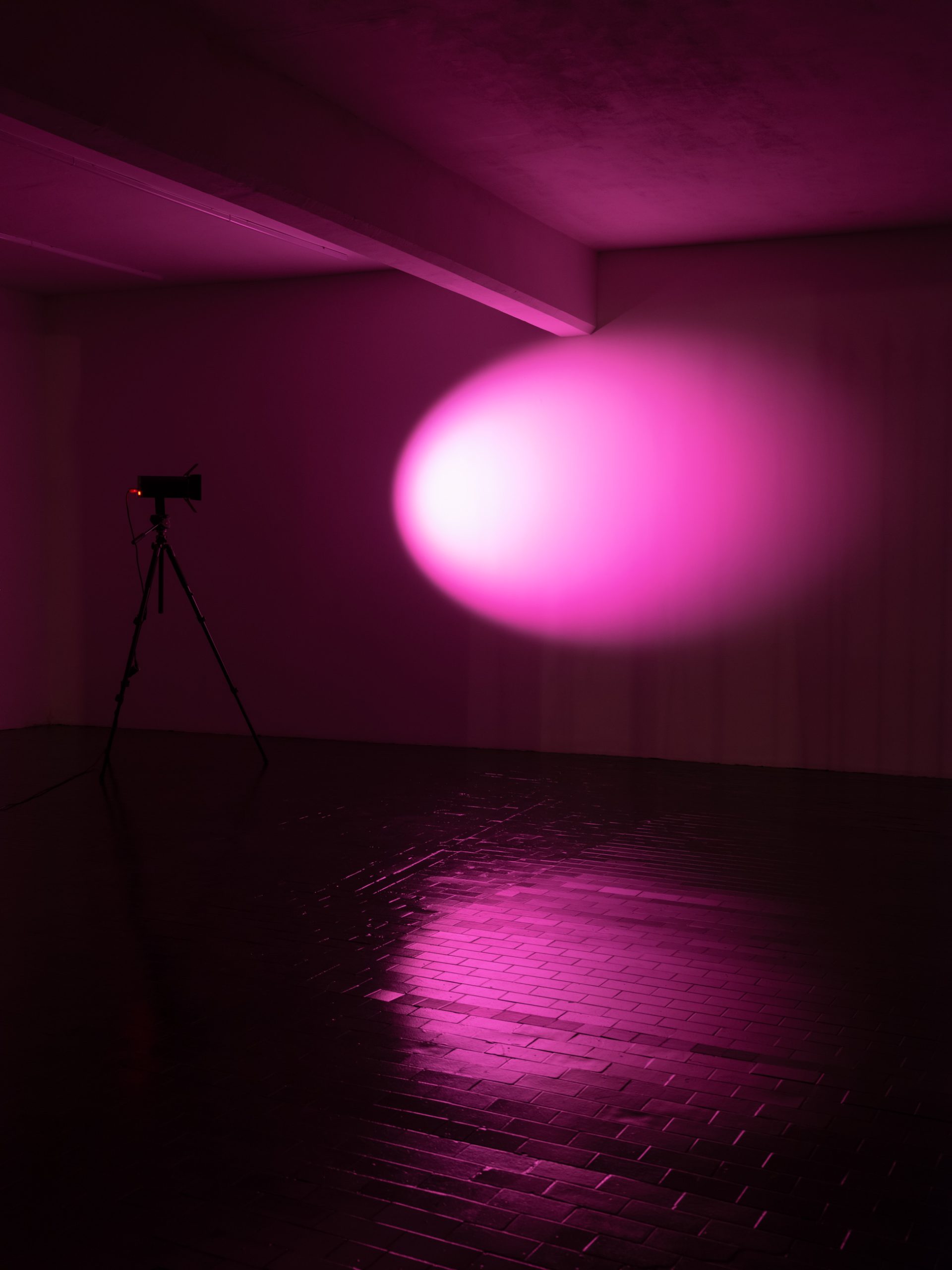
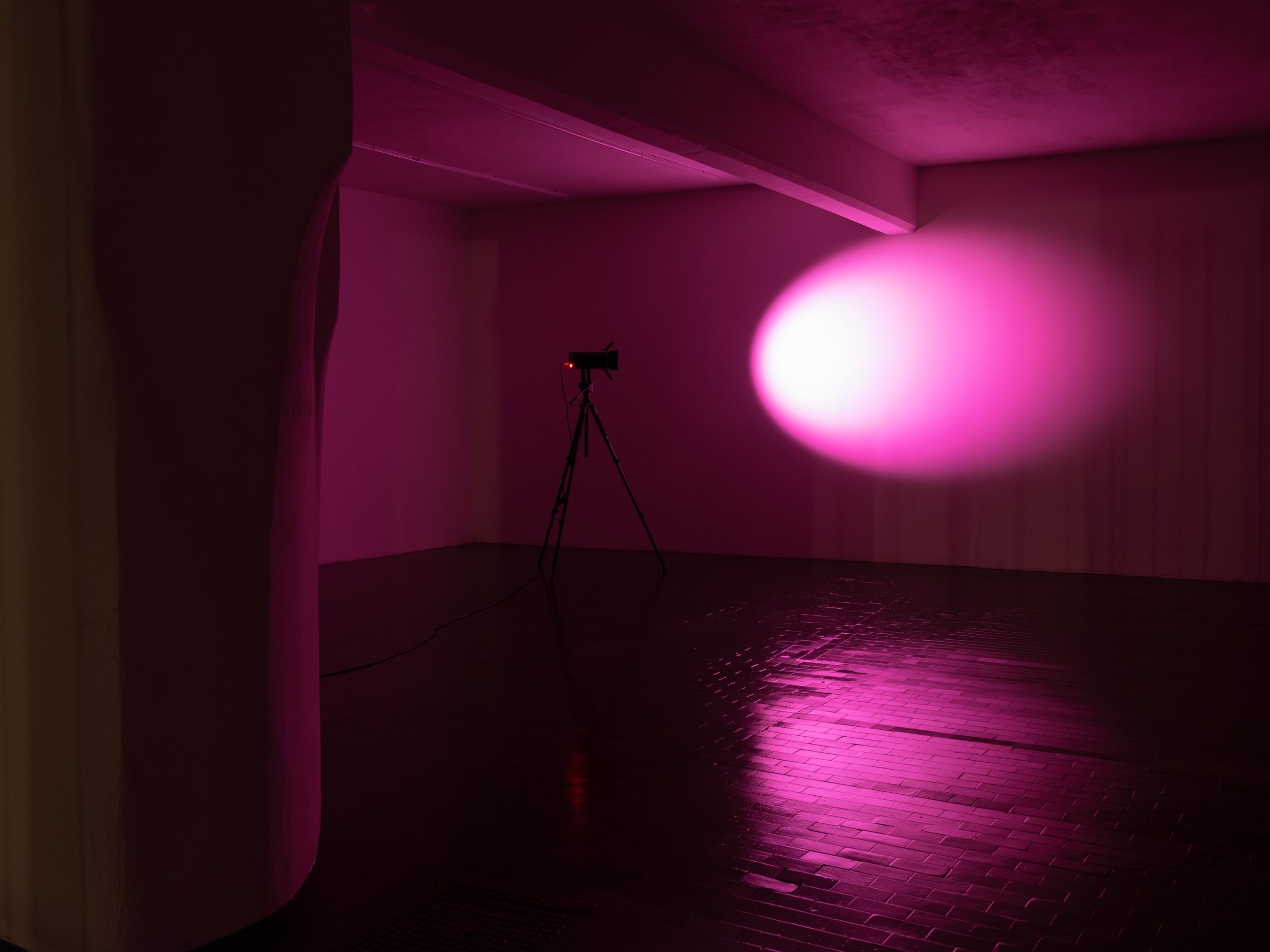
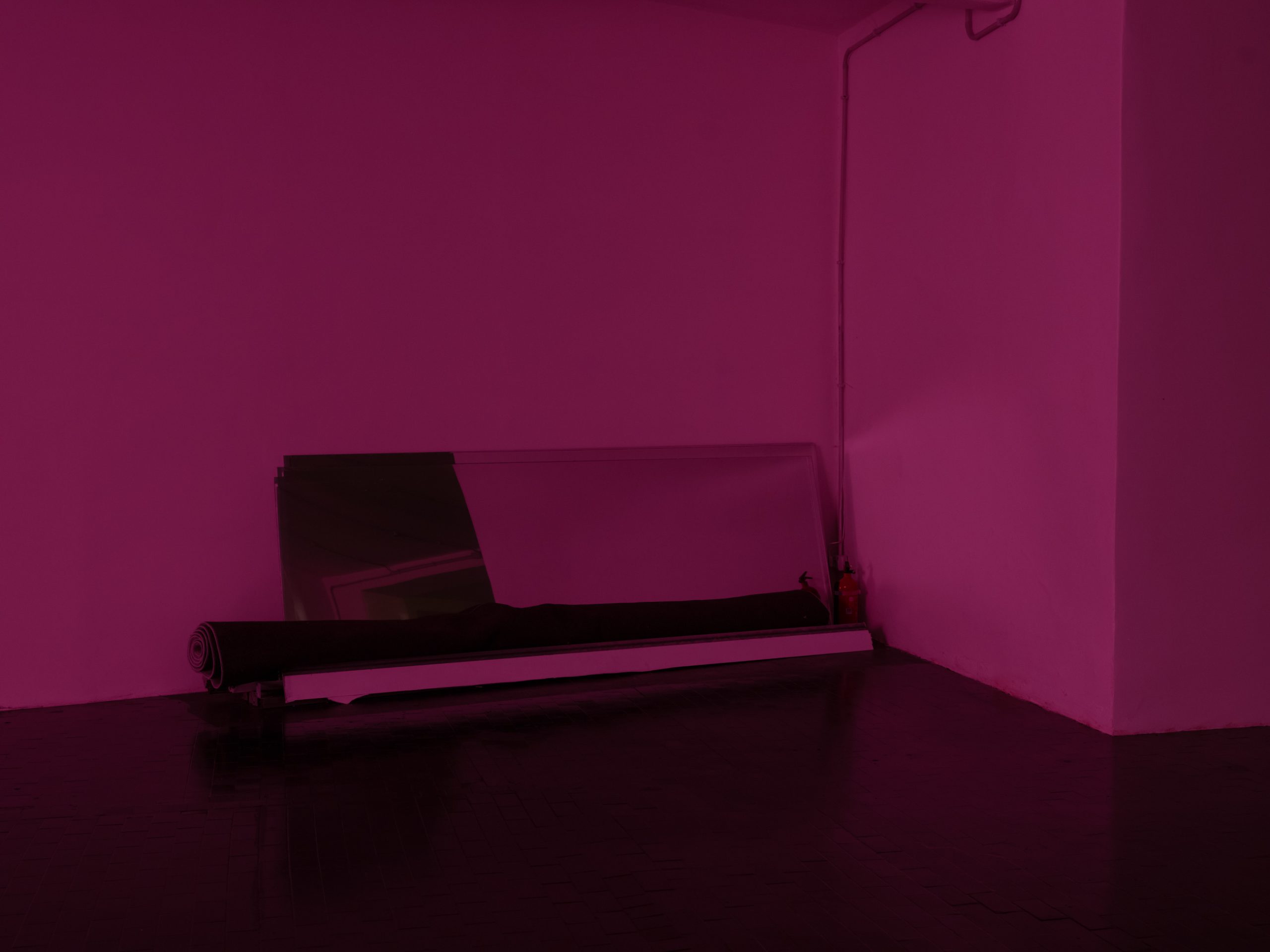
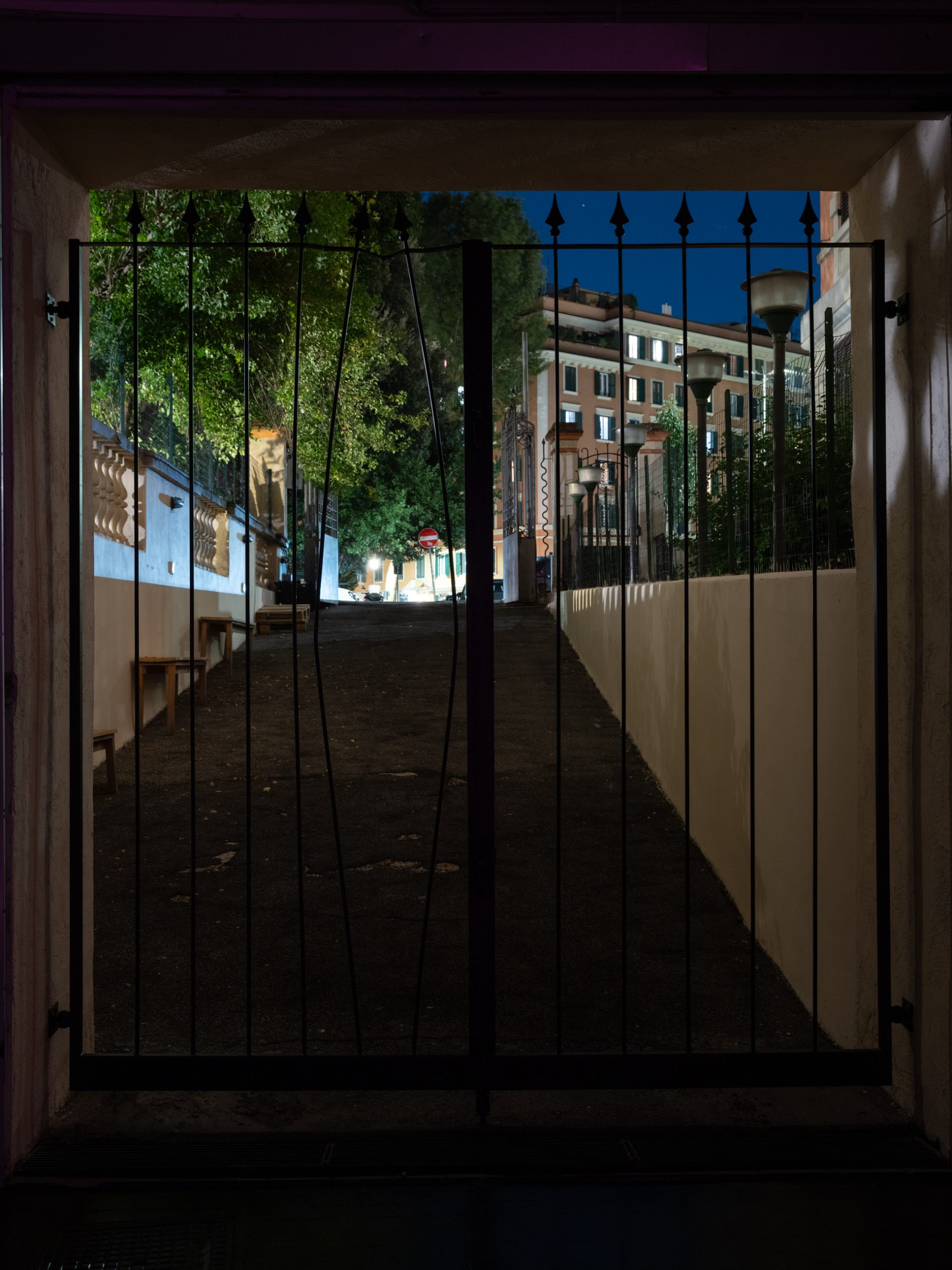
Installation view Basement Roma
Photo: Daniele Molajoli
Courtesy: the artists and Basement Roma